Boxelder Bugs on Your House? Why They Cluster on Sunny Walls and How to Keep Them Out


One day your siding looks normal.
The next day, hundreds of little red-and-black bugs seem to be covering the sunny side of your house.
If this happens during a warm October afternoon in New Jersey, there's a good chance you're looking at boxelder bugs.
And here's the most important thing to know right away: they're probably not eating your house. They're getting ready for winter.
Boxelder bugs gather on warm exterior walls in fall, especially sunny south- and west-facing surfaces. From there, they start looking for small cracks, gaps, vents, and other protected places where they can spend the colder months.
So if they're covering your siding today, the bigger concern isn't what they're doing outside. It's whether they can get inside.
Let's look at why this happens, whether boxelder bugs are harmful, and what you can do before an outdoor cluster turns into an indoor nuisance.
Why Are Boxelder Bugs Suddenly Covering My House?
Boxelder bugs spend much of the warmer season outdoors feeding on plants.
As fall approaches, that behavior changes. Adult bugs begin searching for protected locations where they can survive winter. A house can provide exactly what they're looking for: warmth, shelter, cracks, siding gaps, wall voids, attics, and other protected spaces.
That's why you may suddenly see dozens or even hundreds gathering together. They're not randomly choosing your house. They're scouting a place to overwinter.
Penn State Extension notes that as fall approaches, boxelder bugs congregate in large numbers on the sunny south sides of buildings, trees, and rocks. University of Minnesota Extension also notes that buildings with strong southern or western exposure are especially attractive.
Why Do Boxelder Bugs Love Sunny Walls?
Have you noticed that one side of your house seems covered while another side barely has any bugs?
The sun explains a lot of it.
South- and west-facing walls tend to receive stronger afternoon sunlight. That solar exposure warms siding, brick, stone, foundations, and other surfaces. For a cold-blooded insect during cooling fall weather, those warmer surfaces matter.
You may notice them concentrated around:
Window and door frames
Siding and brick
Foundations
Rooflines and soffits
Vents and utility openings
Garage doors
A recent 2026 entomology study examining boxelder bug sensory structures noted that adults commonly aggregate on south- or west-facing surfaces before moving deeper into buildings. Researchers are investigating the sensory and chemical mechanisms that may help boxelder bugs form these seasonal aggregations.
In other words, that giant cluster on your siding is part of a recognizable overwintering behavior.
Why Boxelder Bugs Become More Noticeable in NJ During Fall
October is prime time to notice this problem.
During summer, boxelder bugs are usually associated with vegetation and host plants. Then temperatures begin dropping, and adult bugs start leaving their feeding areas and searching for sheltered places.
Rutgers NJAES notes that during late summer and early fall, hundreds and sometimes thousands of adult boxelder bugs can enter buildings and become a nuisance.
That's why the problem can seem to appear overnight.
What Do Boxelder Bugs Look Like?
Before you start trying to control them, make sure you're dealing with the right pest.
Adult boxelder bugs are usually about half an inch long. Look for:
A mostly black body
Red or reddish-orange lines
Red edging along the wings
An elongated, somewhat flattened shape
Long antennae
Young boxelder bugs, called nymphs, are smaller and much brighter red, with darker markings developing as they mature. That bright red color is one reason homeowners sometimes search for them as "red and black bugs on my house."
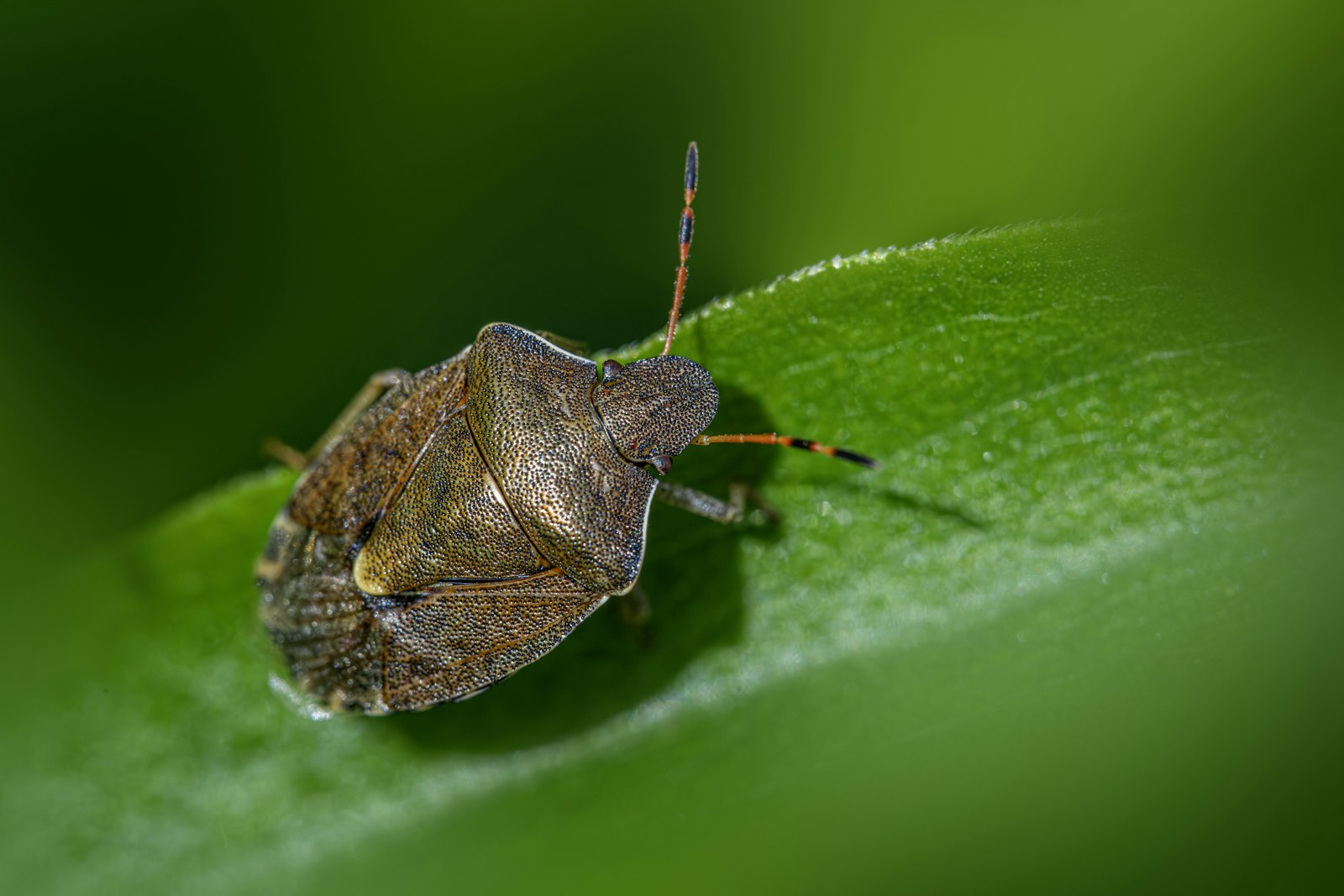
Boxelder Bug or Stink Bug?
This is worth checking because both insects can gather around New Jersey homes during fall.
Feature | Boxelder Bug | Brown Marmorated Stink Bug |
Shape | Elongated and oval | Broad and shield-shaped |
Color | Black with red/orange lines | Mottled brown |
Fall behavior | Clusters on sunny walls and enters structures | Clusters outside and enters structures |
Odor | May produce an unpleasant odor when crushed | Famous for strong defensive odor |
Main concern | Seasonal nuisance | Seasonal nuisance |
Both are overwintering pests, so the prevention strategy has an important thing in common: stop them before they settle inside the structure.
If you're also seeing shield-shaped brown insects around windows, siding, or the roofline, our stink bug control service explains how we approach these seasonal invaders in North Jersey.
Are Boxelder Bugs Harmful?
Their appearance is usually worse than the actual threat.
Rutgers reports that boxelder bugs do not normally bite people or pets, attack construction materials, or feed on stored foods and fabrics. They aren't termites. They aren't carpenter ants. They aren't quietly eating your house while you sleep.
But that doesn't mean you want hundreds of them indoors. Boxelder bugs can:
Leave fecal spots on curtains and walls
Stain light-colored furnishings
Produce an unpleasant odor when crushed
Gather around windows
Emerge unexpectedly during warm winter days
So we consider them primarily a nuisance pest. The biggest problem is their numbers.
How Do Boxelder Bugs Get Inside?
A boxelder bug doesn't need a wide-open window. Small gaps around the exterior can be enough.
Check areas such as:
Window frames and exterior doors
Torn screens
Siding gaps and foundation cracks
Soffit, crawl-space, attic and dryer vents
Outdoor faucets and pipes
Cable and utility penetrations
Garage door edges
The bugs often gather outside first and then work their way into protected cavities. Once they're inside a wall void or attic, control becomes much more difficult. That's why October prevention matters.
How to Get Rid of Boxelder Bugs Outside
If boxelder bugs are already covering your siding, don't immediately reach for the strongest pesticide you can find. Start with the simpler options.
Wash Clusters Off With Water
For exposed groups, a strong stream from a garden hose can knock boxelder bugs off siding, foundations, and other exterior surfaces. This doesn't prevent them from returning, but it can quickly reduce visible clusters.
Remove Hiding Places Near the Foundation
Clean up leaf piles, stacked boards, rocks, yard debris, and heavy vegetation directly against the house. Rutgers specifically recommends reducing overwintering sites such as lumber, rocks, and leaves accumulated beside foundations and window wells.
Don't Ignore the Openings Behind the Bugs
If bugs keep gathering beside one window or section of siding, take a closer look. They may be showing you where the vulnerable areas of the house are.
How to Keep Boxelder Bugs Out of Your House
If we had to choose one strategy that matters most, it would be exclusion. Stopping the bugs before they enter is much easier than chasing them through the house all winter.
Seal Exterior Gaps
Use the appropriate material to seal cracks and openings around windows, doors, siding, pipes, utility lines, exterior fixtures, and foundations.
Repair Screens
Check window, door, attic, soffit, and ventilation screens. A small tear can become an entry point.
Add or Replace Weather Stripping
Look for daylight around exterior doors. Door sweeps and proper weather stripping can close gaps that seasonal insects exploit.
One important caution: don't simply seal every exterior opening you can find. Some soffit, drainage, ventilation, or weep openings are necessary for the building to function properly. Use appropriate screening or exclusion materials when airflow or drainage needs to remain open.
What Should You Do With Boxelder Bugs Inside?
Once boxelder bugs are already indoors, keep it simple: vacuum them.
Avoid crushing them against walls, curtains, or furniture. Their body fluids and droppings can stain surfaces, and crushed bugs may produce an unpleasant smell. After vacuuming a large number, empty the vacuum contents promptly.
You may continue seeing individual bugs during winter. That doesn't necessarily mean they're reproducing inside. Warm indoor conditions or sunny winter days can wake some of them up and send them toward windows and living areas.
Should You Cut Down Your Boxelder Tree?
Not automatically.
Female boxelder trees that produce seeds are important hosts, which is where the pest gets its name. But boxelder bugs can use other plants. Rutgers has documented food sources including maple and ash trees as well as several fruit-producing plants, and notes that female boxelder trees are not especially prevalent in New Jersey.
Boxelder bugs are also mobile. University of Minnesota Extension reports that adults may fly as far as a couple of miles from a food source. So the bugs on your wall may not even be coming from a tree on your property.
Before removing a mature tree, we'd focus first on exclusion and the conditions around the house.
When Should You Consider Professional Pest Control?
A few boxelder bugs outside usually aren't an emergency. Professional help makes more sense when:
Hundreds of bugs repeatedly cover your home
They return every fall
Bugs are entering multiple rooms
You're finding them around attic or upper-story areas
You have numerous difficult-to-reach entry points
DIY exclusion hasn't worked
You're dealing with boxelder bugs, stink bugs, cluster flies, or multiple fall invaders at once
Timing matters. Once thousands of insects are hidden behind siding or inside wall voids, there are fewer practical options. Prevention before or during early fall migration is usually the better strategy. Our look at how seasonal changes affect pest activity explains why so many insects head indoors this time of year.
Frequently Asked Questions About Boxelder Bugs
Why are boxelder bugs all over my house?
They're often gathering on warm exterior surfaces as they search for protected places to overwinter. Sunny south- and west-facing walls are especially attractive.
How do I get rid of boxelder bugs?
Remove outdoor clusters with water, vacuum bugs that enter the home, and seal exterior openings to reduce future entry.
Are boxelder bugs harmful?
They are mainly nuisance pests. They generally do not damage homes, stored foods, or fabrics, although their droppings and crushed bodies can stain surfaces.
Why are boxelder bugs coming into my house?
They're looking for sheltered areas where they can survive winter. They may enter through cracks around siding, windows, doors, vents, foundations, and utility penetrations.
Do boxelder bugs reproduce inside the house?
Generally, no. The bugs seen indoors during winter typically entered during the previous fall.
Should I squish boxelder bugs?
We wouldn't recommend it. Crushing them can create an unpleasant odor and may leave stains. Vacuuming is usually cleaner.
Seeing Boxelder Bugs Outside? Now Is the Time to Keep Them There
A sunny wall covered in red-and-black bugs can look like a major infestation. But the wall isn't usually what they're interested in. It's what lies behind it.
That's why our focus at Accurate Pest Management is not simply killing the bugs you can see. We look at how seasonal pests are approaching the structure, where they may be entering, and what can be done to reduce future activity.
If boxelder bugs or other seasonal pests are gathering by the dozens or hundreds around your house, our residential pest control team can help identify likely entry areas and determine the appropriate prevention or treatment strategy. Contact us or call 973-398-8798.
It's much easier to keep boxelder bugs outside now than to deal with them coming out of your walls in January.