How to Get Rid of Stink Bugs in Your North Jersey Home (and Keep Them From Coming Back)


It usually starts with one.
A brown, shield-shaped bug crawling slowly across a window screen. Then a few more on the siding. Then one buzzing loudly around the living room lamp in the middle of the evening.
If you live in North Jersey, you have almost certainly met the brown marmorated stink bug.
October is when they become impossible to ignore. As temperatures drop, stink bugs gather on the sunny sides of homes and start looking for a way inside to spend the winter.
At Accurate Pest Management, we get the same questions every fall: Why are there so many? Will they hurt anything? And how do I get rid of stink bugs without making the house smell?
Here is what actually works, and what to do now so you are not dealing with the same problem again next year.
Why Are There So Many Stink Bugs in My House?
The brown marmorated stink bug is an invasive insect from Asia. It was first confirmed in the United States in Pennsylvania in the late 1990s and spread quickly through the Mid-Atlantic, including New Jersey.
During summer, stink bugs live outdoors and feed on fruit, vegetables, ornamental plants and trees.
When days get shorter and nights get cooler, their behavior changes. Adults stop feeding and start searching for protected places to survive the winter.
In nature, that might be under loose bark or in dead trees.
Around your neighborhood, the most attractive option is often your house.
Stink bugs are drawn to warm, sun-exposed walls, especially on the south and west sides of a home. From there, they crawl into cracks and gaps and move into wall voids, attics, window frames and other protected spaces.
That is why the problem seems to appear all at once. One week you see nothing. The next, the siding is covered.
Do Stink Bugs Bite or Cause Damage?
The good news first.
Stink bugs do not bite people or pets, do not sting, and do not damage your home's structure. They do not eat wood, fabric or stored food, and they do not breed inside your house over the winter.
The bugs you see indoors in January are the same ones that got inside in the fall.
The bad news is that they are an unpleasant nuisance:
They release a strong, bitter odor when disturbed or crushed
They can leave stains on curtains, walls and fabrics
They fly clumsily and noisily toward lights
Large numbers can hide in attics and wall voids
On warm winter days, they may wake up and wander into living spaces
So while stink bugs are not dangerous, nobody wants hundreds of them living in the walls.
How to Identify a Brown Marmorated Stink Bug
Adult stink bugs are about five-eighths of an inch long with a broad, shield-shaped body.
Look for:
Mottled brown and gray coloring
Alternating light and dark bands on the antennae
Light and dark banding along the outer edges of the abdomen
A flat, wide shape when seen from above
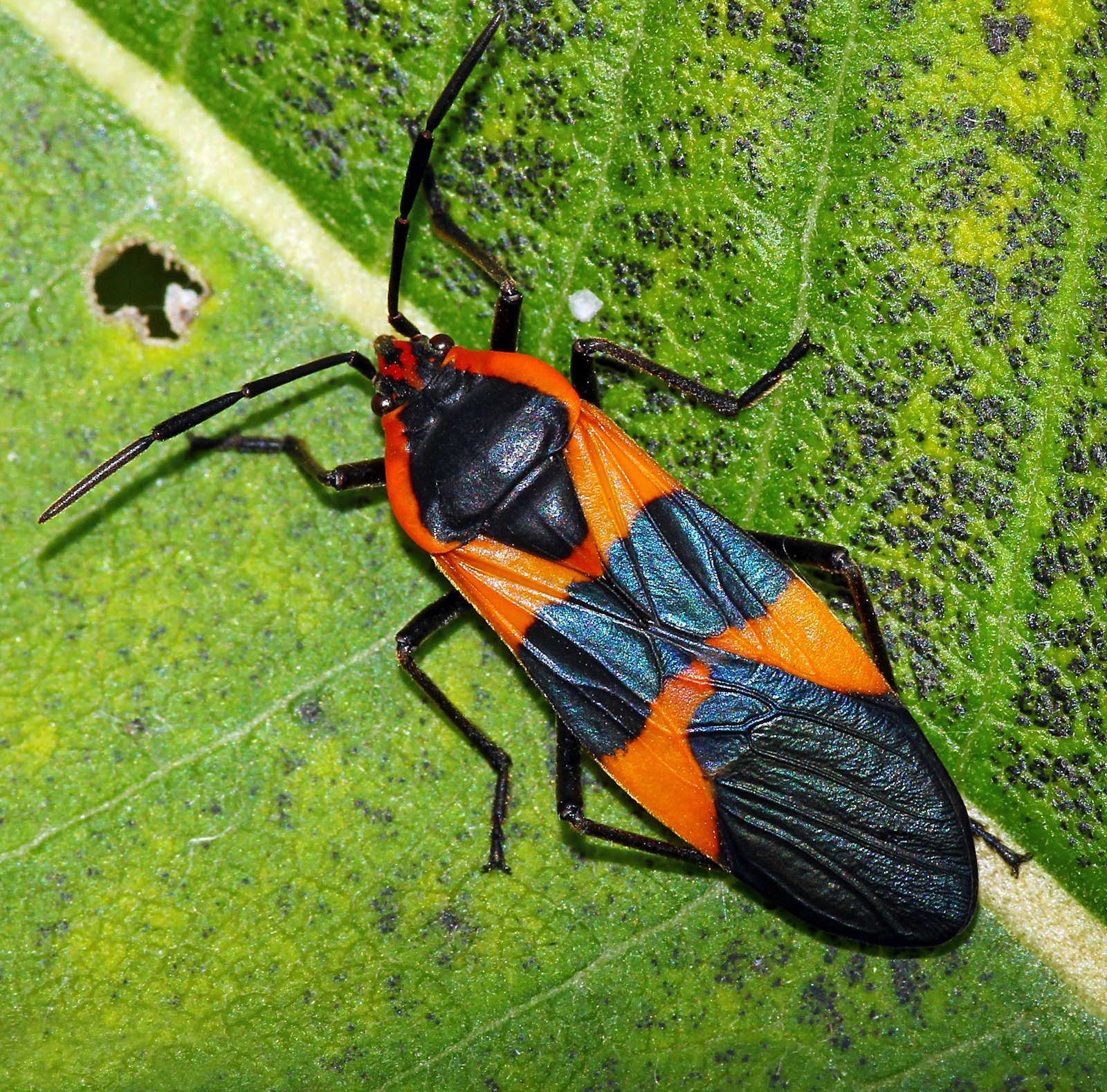
They are often confused with boxelder bugs, which are black with red or orange markings, and with some beneficial native stink bugs that feed on other insects.
How to Get Rid of Stink Bugs Inside the House
If stink bugs are already inside, the goal is to remove them without crushing them.
Vacuum Them Up
A vacuum is one of the most effective tools you have.
The catch is the smell. Stink bugs can leave their odor inside a vacuum, so many homeowners use a shop vac or an inexpensive dedicated vacuum just for bugs. Another trick is to put a knee-high stocking inside the vacuum hose, secured with a rubber band, so the bugs collect in the stocking and can be tossed out.
Empty or dispose of the contents outside promptly.
Use a Bucket of Soapy Water
For a few bugs at a time, knock them into a container of water mixed with a little dish soap. The soap breaks the surface tension and the bugs cannot escape.
Do Not Crush Them
Squashing stink bugs releases the odor and can stain walls and furniture.
Skip Indoor Bug Bombs
Foggers and general indoor sprays are not a good answer for stink bugs. Insects hidden inside walls are not reached, and killing large numbers in wall voids can leave dead insects behind that attract other pests such as carpet beetles.
How to Keep Stink Bugs Out of Your House
The most effective stink bug control happens before they get in.
Seal Cracks and Gaps
Walk around the outside of the house and look closely at:
Window and door frames
Gaps around siding and trim
Spaces around utility pipes, wires and cables
Attic and soffit vents
Chimneys and rooflines
Dryer and exhaust vents
Gaps under exterior doors
Use quality caulk to seal small cracks and appropriate materials for larger openings.
Repair Screens
Torn window, door and vent screens are easy entry points. Replace or patch damaged screens before stink bugs start gathering.
Add Door Sweeps and Weather Stripping
If you can see daylight around an exterior door, a stink bug can get through.
Check Window Air Conditioners
Window units are a common entry point. Remove them in early fall or seal around them carefully.
Keep Exterior Lights in Mind
Stink bugs are attracted to light. Reducing unnecessary exterior lighting near entry doors at night can help.
When Is the Best Time to Treat for Stink Bugs?
Timing matters more than most people realize.
For North Jersey homes, the most effective time for exterior stink bug prevention is late summer into early fall, before large numbers have moved inside.
Once stink bugs are hidden in wall voids and attics, treatment options become much more limited. At that point, the focus shifts to removing bugs that emerge indoors and correcting entry points so next year is better.
If you are reading this in October and the bugs are already on your walls, it is not too late to act. Sealing gaps now still keeps more of them out, and it sets you up for a much better fall next year.
When to Call a Professional
A handful of stink bugs can usually be managed with a vacuum and some caulk.
Professional help makes sense when:
Large numbers return every fall
You are finding stink bugs in several rooms
They are coming from attic spaces or upper floors
The home has many hard-to-reach gaps along rooflines and siding
You are also dealing with boxelder bugs, cluster flies or lady beetles
Our stink bug control service focuses on where stink bugs are getting in, targeted exterior protection at the right time of year, and practical exclusion recommendations for your home.
If stink bugs are just one of several fall invaders, our guide to common household pests in New Jersey and our look at how seasonal changes affect pest activity explain why fall brings so many insects indoors.
Frequently Asked Questions About Stink Bugs
Why do stink bugs come inside in the fall?
They are looking for protected places to spend the winter. Warm, sunny walls attract them, and cracks around windows, siding and vents let them into wall voids and attics.
Do stink bugs bite?
No. Stink bugs do not bite or sting people or pets.
Do stink bugs lay eggs in the house?
No. Stink bugs do not reproduce indoors during winter. The bugs you see inside entered the home in the fall.
What kills stink bugs instantly?
Dropping them into soapy water works quickly. For larger numbers, vacuuming is the most practical method.
What smell keeps stink bugs away?
Some homeowners try mint or other scented products, but there is little evidence that smells keep stink bugs out. Sealing entry points is far more reliable.
When do stink bugs go away?
Most stink bugs leave the home and return outdoors in spring as temperatures warm. Some may appear indoors on warm days throughout winter.
Keep Stink Bugs Outside Where They Belong
Stink bugs are not dangerous, but they are persistent.
The bugs on your siding today are looking for a place to spend the next five months. The more entry points they find, the more you will see on your windows, lamps and ceilings all winter.
At Accurate Pest Management, we have helped North Jersey homeowners deal with fall invaders for more than 30 years. If stink bugs are taking over your home every fall, contact us or call 973-398-8798 to schedule an inspection.