Cluster Flies in the Attic and Windows: What They Are and How to Stop Them Coming Back Every Fall


You clean up a pile of dead flies from the windowsill. A few days later, there are more.
Then you check the attic and find slow-moving flies sitting around the windows, rafters, or insulation.
At first, it can feel like something inside the house must be breeding them. But if this happens every fall in New Jersey, there's a good chance you're dealing with cluster flies.
And cluster flies behave very differently from the house flies you see around kitchens and garbage. They aren't usually breeding in your attic. They aren't there because your house is dirty. They're using the structure as a place to survive the winter.
That distinction matters because if you only kill the flies you can see, you'll probably be dealing with the same problem again next fall.
What Are Cluster Flies?
Cluster flies are relatively large, slow-moving flies in the genus Pollenia. One commonly discussed species is Pollenia rudis.
At first glance, they can look like oversized house flies. Look more closely, though, and there are differences.
Adults are generally about 3/8 to 1/2 inch long, with a dark gray or gray-black body. One of their better identification features is the presence of short yellowish or golden hairs on the thorax. Their wings also overlap when they're resting.
Their movement is another clue. House flies tend to be fast and restless. Cluster flies often seem sluggish, especially when they emerge indoors during cold weather. The fly crawling slowly across your January window may have spent months dormant inside your wall.
Cluster Flies vs. House Flies: There's a Big Difference
A typical house-fly problem can be associated with garbage, decaying organic material, manure, or other breeding sources. Cluster flies are different. Their immature stages develop outdoors.
Female cluster flies lay eggs in soil, and their larvae locate earthworms, which they use as hosts while developing. Adults later emerge from the soil.
That's why finding cluster flies in an attic doesn't automatically point to rotting garbage, a dirty kitchen, or a sanitation problem. Colorado State specifically notes that cluster flies that overwinter in buildings cannot reproduce indoors.
If you've cleaned the house from top to bottom and the flies keep appearing, you may be trying to solve the wrong problem. The issue may be the exterior of the building, not the cleanliness of the interior.
Why Do Cluster Flies Come Into Houses in Fall?
As day length shortens, adult cluster flies stop focusing on reproduction and begin searching for dry, protected places where they can survive winter. Buildings happen to provide excellent shelter.
Beginning in late summer and extending into early fall, cluster flies may gather on sun-warmed south- and west-facing walls. If they find gaps around siding, windows, soffits, vents, rooflines, chimneys, or other exterior openings, they can work their way inside.
Once inside, they often move into wall voids and upper portions of the house. Which brings us to one of their nicknames: attic flies.
Why Are There So Many Flies in My Attic?
The attic is almost ideal winter shelter for a cluster fly. It's protected from rain and wind. Temperatures are more moderate than outdoors. And attics contain plenty of cracks, gaps, framing cavities, and undisturbed spaces where insects can remain dormant.
Colorado State reports that cluster flies frequently concentrate in the upper stories of buildings, including attics and wall voids. During the cold season, they enter a dormant state known as diapause, slowing their metabolism and remaining relatively inactive for months.
You may not even realize they're there. Then you get an unusually sunny winter afternoon. The attic warms up. Some of the flies become active and start moving toward light. That's when they start showing up downstairs.
Why Do Cluster Flies Keep Appearing on My Windows?
Warm winter temperatures can stimulate overwintering cluster flies. Once active, they often try to move toward daylight, which brings them to windows.
Penn State notes that cluster flies can emerge from attics and wall voids on warm days in what is essentially an unsuccessful attempt to get back outside.
That's why you may see live flies buzzing slowly against a pane of glass. It's also why you may discover dead flies on the windowsill. They reached the light but couldn't find a way outdoors.
Does Finding Dead Flies on a Windowsill Mean They're Breeding Inside?
Usually not, if they are correctly identified as cluster flies.
Cluster flies don't need an indoor garbage source to produce another generation. So repeated flies around windows during fall, winter, or early spring may simply be individuals emerging from hidden overwintering areas inside the structure.
That said, we wouldn't automatically assume every fly near a window is a cluster fly. Blow flies, face flies, house flies, and other species can also appear inside buildings, and some have completely different breeding sources. If you're seeing large numbers of flies outside the normal cluster-fly pattern, accurate identification comes first.
Are Cluster Flies Dangerous?
Cluster flies are primarily a nuisance pest. They don't bite people, damage wood, chew wiring, or feed on your home's structure. Penn State also states that cluster flies are not known to carry diseases of medical importance to humans.
They can still be unpleasant. Large numbers may collect in attic spaces and around windows, dead insects accumulate, and flies can leave small dark spots on walls and windows.
Dead Cluster Flies Can Create a Second Pest Problem
Killing large numbers of cluster flies inside wall or attic voids can leave thousands of dead insects behind. Penn State notes those dead flies may then provide food for carpet beetles, potentially creating another household pest issue.
That's one reason simply filling an attic or wall void with pesticide isn't necessarily a smart long-term strategy. The better solution starts with figuring out how the flies entered.
How to Get Rid of Cluster Flies Already Inside
If you have a handful of flies around the windows, you usually don't need to turn the house upside down. Vacuuming is one of the simplest approaches. Remove visible flies from windows, walls, ceilings, and accessible attic areas, then empty the vacuum contents appropriately.
You can also inspect where the flies appear to be entering the living space. Common indoor emergence locations include openings around window trim, baseboards, ceiling fixtures, exhaust fans, attic access points, and similar gaps connected to hidden voids. Those interior openings can sometimes be sealed to reduce movement from wall cavities into occupied rooms.
However, killing the current flies is only half the job. If your goal is to stop cluster flies from coming back next fall, you need to work from the outside.
How to Stop Cluster Flies From Coming Back Every Fall
Exclusion is the foundation of cluster-fly control.
Penn State calls mechanical exclusion the best method for preventing cluster flies from entering buildings. Colorado State goes even further, stating that without effectively sealing entry points, long-term cluster-fly control inside a building isn't possible.
We would pay particular attention to the upper and sunnier portions of the house. Look closely around:
Window and door frames
Siding joints
Fascia and soffits
Attic and roof vents
Chimneys
Utility penetrations
Damaged screens
Gaps where different construction materials meet
South- and west-facing elevations deserve extra attention because those sun-warmed surfaces commonly attract cluster flies before they enter.
The timing matters too. Ideally, exclusion work happens before the fall migration starts, not after the attic is already full. Colorado State notes that cluster flies can begin moving toward buildings as early as mid-August, with much of the movement occurring in late summer and early fall.
For a New Jersey homeowner who's already seeing flies in October, that means this year's flies may already be inside. But you can still document likely entry points now and make sure they're corrected before next year's migration.
Should You Spray Cluster Flies in the Attic?
Random indoor spraying isn't our first choice. Once cluster flies are already inside walls and inaccessible attic spaces, treatments may kill some individuals without solving how they entered.
Penn State notes that crack-and-crevice sprays after cluster flies have entered wall voids do not prevent continued emergence and are not considered a strong long-term solution.
In difficult recurring cases, a professional may consider targeted exterior treatment before the flies enter, particularly when a structure has numerous gaps that can't reasonably be sealed immediately. But treatment should support exclusion, not replace it.
That's also why we would avoid telling homeowners to spray the lawn to kill cluster-fly larvae. Colorado State notes that lawn insecticide treatments have not been shown to solve the problem, and the flies entering one house may have developed hundreds of yards away. The earthworms aren't the problem we need to eliminate. The entry points are.
Why Do Cluster Flies Return to the Same House Every Year?
If cluster flies seem to "remember" your house, there's usually a simpler explanation: the same house still offers the same advantages.
It may have sunny upper walls that warm quickly in fall, gaps behind siding, unsealed soffit or attic vents, or cracks around windows and roof transitions. Those openings often remain unchanged from one year to the next, so every fall another generation of flies finds the same winter shelter.
Removing the flies handles today's problem. Fixing the building envelope addresses next year's.
When Should You Call a Pest Control Company?
A few cluster flies at one sunny window may be manageable with a vacuum and some basic exclusion work.
Professional help makes more sense when flies appear in large numbers every fall, collect throughout the attic, emerge from several rooms, repeatedly appear from inaccessible wall or ceiling voids, or continue returning despite your attempts to seal the exterior.
At that point, we want to identify where they're concentrating, which side of the home they're using, where they're getting through the exterior, and how those openings can be reduced before the next overwintering period. That's particularly useful in older homes with dozens of possible gaps around rooflines, siding, soffits, vents, windows, and utility penetrations.
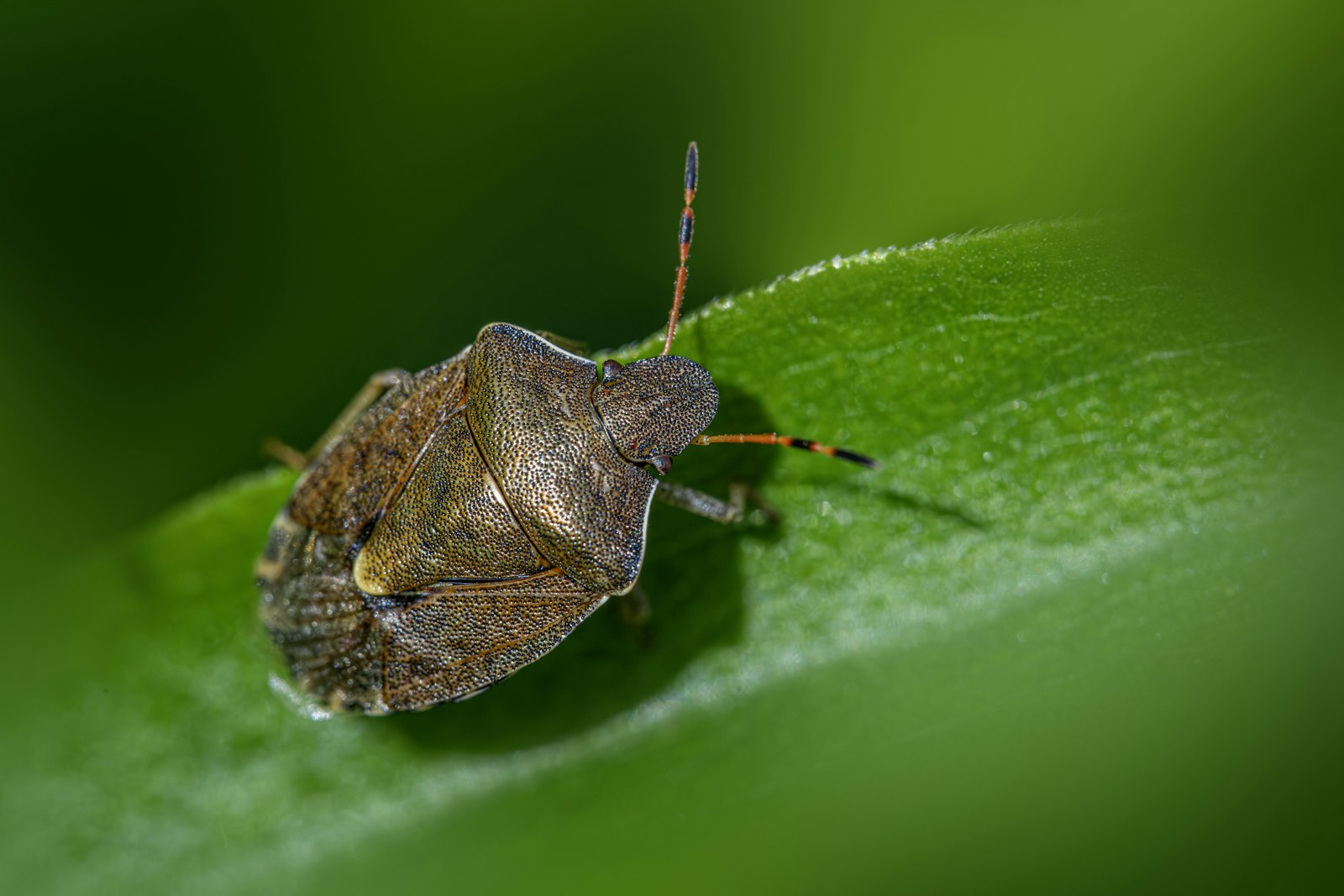
Cluster flies often arrive alongside other fall invaders. If you're also seeing shield-shaped brown insects, our stink bug control service covers these overwintering pests too.
Frequently Asked Questions About Cluster Flies
Why do I get flies in my house every fall?
Cluster flies move toward buildings in late summer and fall looking for protected winter shelter. They often enter cracks around siding, windows, vents, soffits, and other exterior openings.
Why are cluster flies in my attic?
Attics provide dry, protected areas where the flies can remain dormant through winter. Cluster flies frequently concentrate in upper sections of buildings.
Why are dead flies appearing on my windowsill?
Overwintering cluster flies can become active when indoor spaces warm. They move toward daylight, collect at windows, and may eventually die there.
Are cluster flies caused by garbage?
Not typically. Cluster flies develop outdoors in association with earthworms and do not reproduce indoors.
Do cluster flies bite?
No. They are considered nuisance pests rather than biting insects.
How do I get rid of cluster flies permanently?
There isn't a realistic way to eliminate cluster flies from the outdoor environment. The long-term goal is to stop them from using your house for winter shelter by finding and sealing their entry points.
Will cluster flies reproduce in my attic?
No. Overwintering cluster flies remain dormant inside the structure rather than breeding there.
Don't Just Clean Up the Flies. Find Out How They Got In.
A pile of dead flies on a windowsill can make it look like you suddenly developed an indoor fly infestation. With cluster flies, the real story often started months earlier: adults gathered around the exterior, found openings, moved into the attic or walls, and then warmth and sunlight brought some of them back into view.
That's why our approach at Accurate Pest Management focuses on more than the fly sitting on the glass. We look at the pest, the season, the structure, and the likely entry points that are allowing the problem to repeat.
Accurate has provided pest-control services in North Jersey for more than 30 years and serves Morris, Bergen, Essex, Passaic, and Sussex counties. If cluster flies or other fall invaders keep showing up in your attic, wall voids, or windows every year, our residential pest control services can help identify the source and determine the best prevention strategy. Contact us or call 973-398-8798.
Vacuuming the flies you see is easy. Keeping next fall's flies from getting inside is the part that actually solves the recurring problem.