The Ultimate Guide to Common Pests in New Jersey Homes: What’s Hiding in Your NJ House?

Living in New Jersey comes with plenty of perks. Great food, strong communities, and four real seasons. It also comes with a steady stream of unwanted house guests.
If you’ve ever spotted ants marching across your kitchen counter, heard scratching in the walls at night, or found mud tubes near your foundation, you’re not alone. New Jersey ranks as the second-most pest-prone state in the country according to a 2026 nationwide study. Our dense neighborhoods, older housing stock, and mix of humid summers and cold winters create perfect conditions for pests.
More than 62% of homes in the state were built before 1980. That means more cracks, more moisture issues, and more entry points. Combine that with the highest housing density in the study (over 515 units per square mile), and it’s no surprise pests thrive here.
This guide walks you through the pests you’re most likely to face, how to spot them early, what actually works to keep them out, and when it’s time to call in help. Everything here is written from real experience helping New Jersey homeowners protect their properties year after year.
Why New Jersey Attracts So Many Pests

Our climate and housing style create a near-perfect storm. Warm, humid summers fuel mosquitoes, ticks, ants, and cockroaches. Cold winters push rodents, squirrels, and other wildlife indoors looking for warmth and food. Older homes with stone foundations, crawl spaces, and aging siding give pests easy access.
Urban and suburban areas add another layer. Shared walls, dense development, and older plumbing systems let infestations spread quickly between properties. That’s why cities like Newark and Jersey City often rank high on pest vulnerability lists.
The good news? Most of these problems are preventable once you know what to look for and what to do.
New Jersey Seasonal Pest Calendar
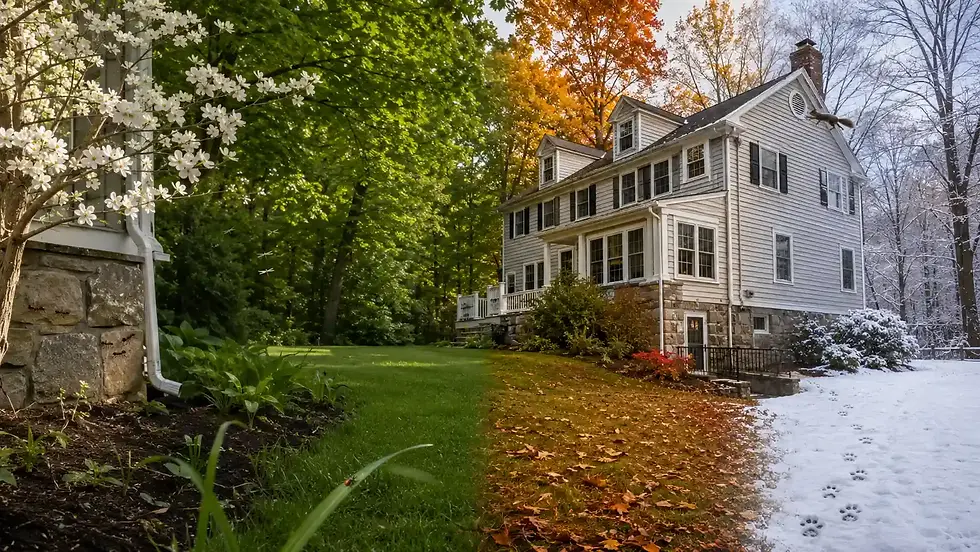
Pests don’t take the year off. Here’s what typically shows up when:
Spring (March–May)
Termite swarmers start appearing. Carpenter ants become active. Early wasps and hornets begin nesting. Spotted lanternfly nymphs hatch in many areas.
Summer (June–August)
Mosquitoes and ticks hit peak activity. Ants trail indoors looking for water and food.
Cockroaches thrive in warm kitchens. Stinging insects get aggressive around decks and eaves. Bed bugs can hitchhike home from travel.
Fall (September–November)
Rodents start moving inside. Stink bugs gather on sunny walls. Spiders follow their prey indoors. Mice and rats look for nesting spots in attics and basements.
Winter (December–February)
Mice and rats stay active inside heated homes. Flying squirrels and raccoons may nest in attics or chimneys. Cockroaches continue breeding in warm, damp areas.
Knowing the calendar helps you stay ahead instead of reacting after the damage starts.
How to Identify the Most Common New Jersey Pests
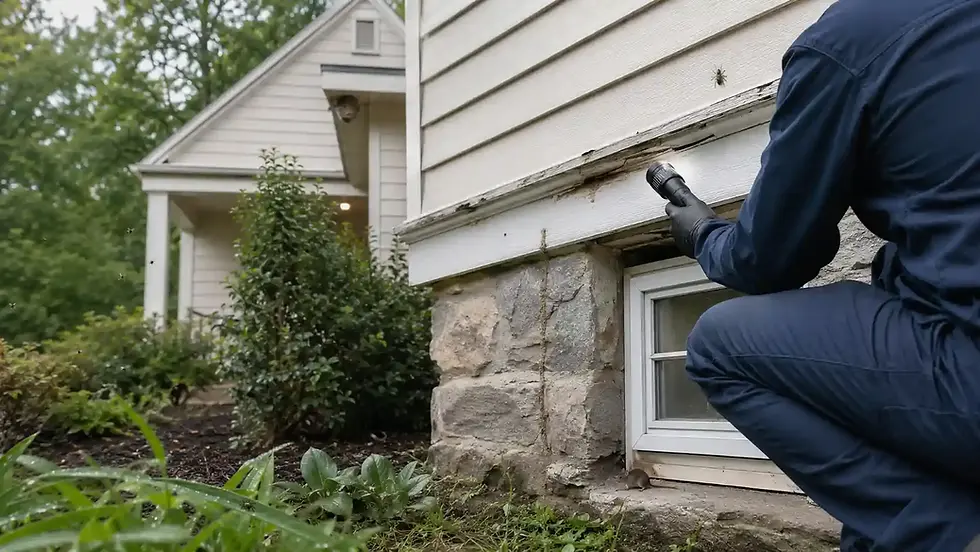
Here’s a clear breakdown of what you’re most likely to encounter and the signs that matter.
Wood-Destroying Pests
Subterranean termites are the biggest structural threat in New Jersey. Look for pencil-thin mud tubes on foundations, discarded wings near windows, hollow-sounding wood, or bubbling paint. Carpenter ants are larger and leave behind sawdust-like frass. They don’t eat wood like termites, but they still damage it by nesting.
Rodents and Wildlife
House mice can squeeze through a gap the size of a dime. Norway rats need only a bit more space. Droppings, grease marks along walls, and gnawed wires or food packaging are classic signs. In winter, also watch for squirrels, flying squirrels, and raccoons in attics—scratching sounds at night or during the day are common giveaways.
Health-Related Pests
Blacklegged ticks remain a serious concern. New Jersey consistently ranks among the highest states for Lyme disease cases. Mosquitoes bring West Nile risk in warmer months. German cockroaches (the small, light-brown ones) multiply fast in kitchens and bathrooms and can trigger allergies and asthma.
Nuisance and Stinging Insects
Pavement ants, odorous house ants, and carpenter ants show up in kitchens and bathrooms. Wasps, hornets, and yellowjackets build nests under eaves or in the ground. Stink bugs and spiders become more noticeable in fall as they look for overwintering spots.
Early identification is everything. The sooner you catch a problem, the easier and less expensive it is to solve.
The All-Important Prevention Checklist for New Jersey Homes
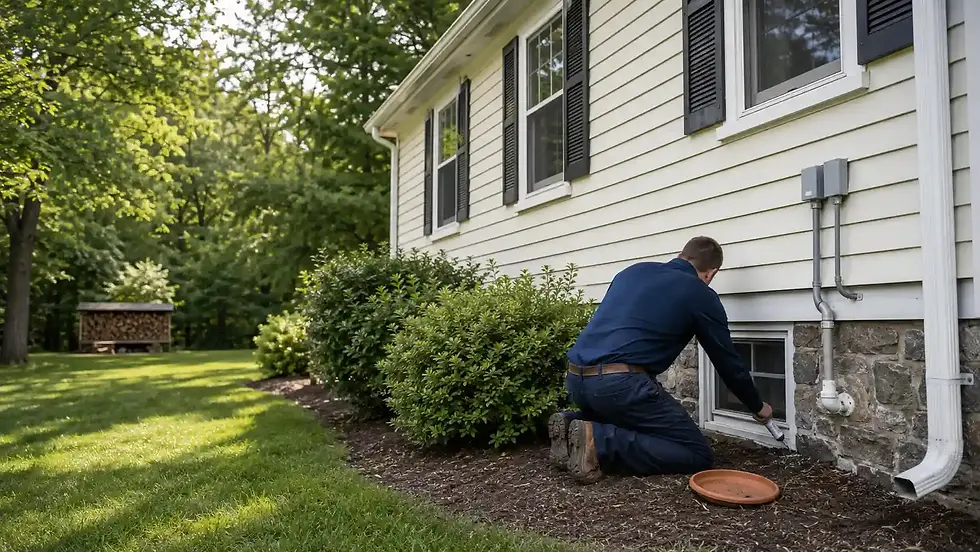
This is the section most homeowners wish they had years earlier. Prevention beats treatment every time.
Outside the House
Seal every gap larger than a quarter inch around doors, windows, pipes, and the foundation. Repair damaged screens and weatherstripping. Keep soil and mulch graded away from the foundation so water drains properly. Trim tree branches and shrubs so they don’t touch the house. Store firewood at least 20 feet away and elevated off the ground. Empty standing water weekly—birdbaths, clogged gutters, and flowerpot saucers are mosquito magnets.
Inside the House
Store food in sealed containers. Clean up crumbs and spills quickly. Fix leaky pipes and reduce humidity in basements and crawl spaces. Declutter storage areas so pests have fewer places to hide. Inspect attic and basement regularly for droppings or nesting material.
Seasonal Habits That Make a Difference
Before winter, walk the exterior and seal new gaps. In spring, schedule a termite inspection if you haven’t had one in the last few years. During summer, maintain a clean yard edge and consider professional mosquito and tick treatments if you spend a lot of time outdoors.
Older New Jersey homes need extra attention at foundation cracks, sill plates, and utility penetrations. A little proactive work here saves thousands later.
Termites: The Silent Threat Most Homeowners Miss
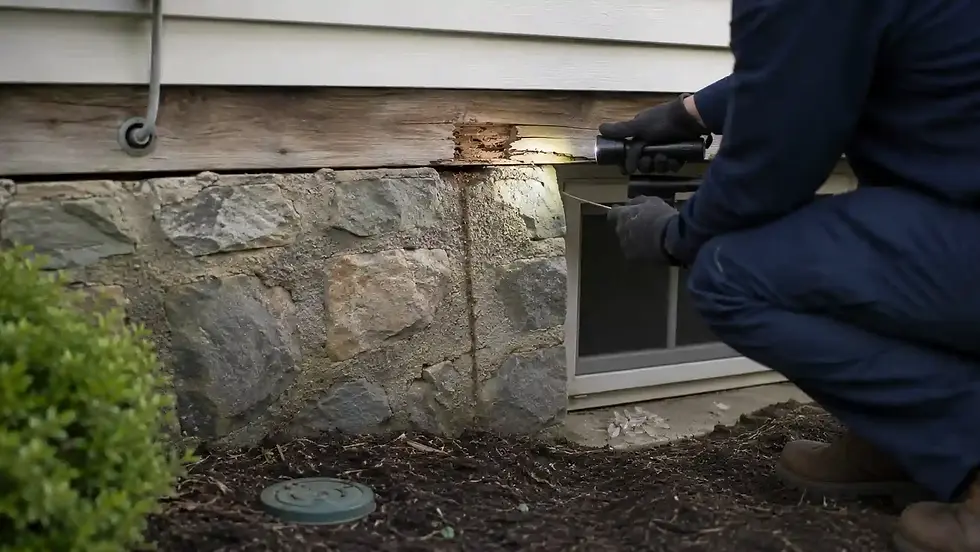
Termites cause more structural damage in the United States than fires and storms combined in many years. In New Jersey, subterranean termites are the dominant species.
They work quietly. By the time you notice hollow wood or sagging floors, the colony may already be large. Regular professional inspections are the most reliable way to catch them early. Modern treatments include liquid soil barriers and bait systems that eliminate colonies rather than just treating symptoms.
If you’re buying or selling a home, a wood-destroying insect report is often required. Don’t skip it.
DIY or Call a Professional?
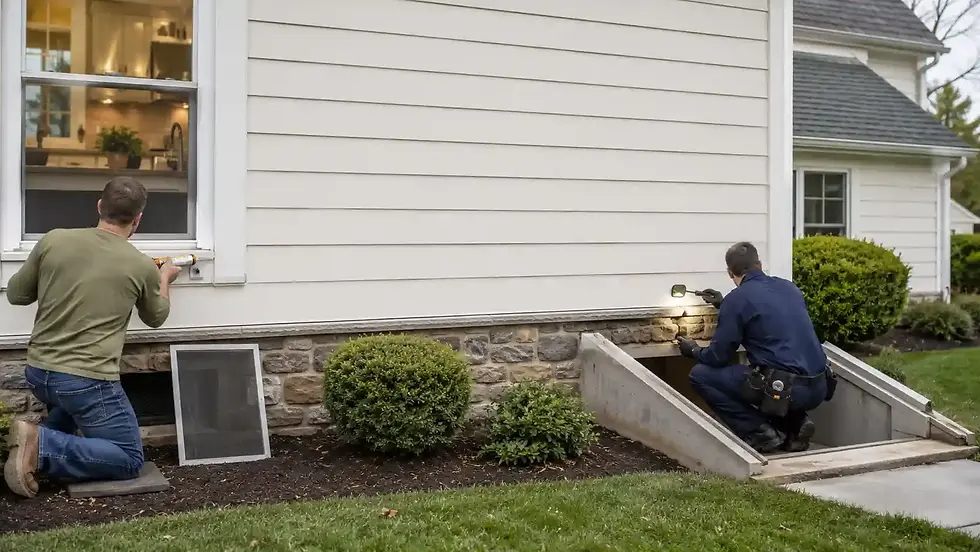
Some problems respond well to careful DIY efforts. Minor ant trails, early stink bug invasions, and basic exclusion work can often be handled by a determined homeowner.
Other situations call for professionals. Established termite activity, active rodent infestations with multiple entry points, bed bugs, and wildlife in the attic are rarely solved permanently with store-bought products. Licensed technicians have the tools, products, and experience to eliminate the source and prevent return.
Safety matters too. Some treatments are not ideal around children, pets, or in homes with asthma concerns. Professionals know how to apply products correctly and choose lower-risk options when needed.
What Pest Control Typically Costs in New Jersey

Prices vary by pest, home size, and severity, but here are realistic 2026 ranges based on current market data:
Ants, spiders, general pests: often $175–$350
Cockroaches: $175–$400
Rodents: $200–$600
Termites: $275–$1,200+ depending on treatment type
Bed bugs: $300–$1,500
Wildlife removal: $250–$800
Recurring protection plans usually cost less per visit than repeated one-time emergency calls. The real savings come from preventing damage rather than repairing it.
Health Risks You Shouldn’t Ignore

Ticks and Lyme disease remain a major public health issue in New Jersey. Cockroaches and rodents can worsen asthma and allergies, especially in children. Contaminated surfaces and droppings create sanitation problems. Structural damage from termites or rodents can lead to secondary moisture and mold issues.
Protecting your home also protects your family’s health.
Frequently Asked Questions
What are the most common pests in New Jersey homes?
Ants, termites, mice, rats, cockroaches, ticks, mosquitoes, bed bugs, and stinging insects top the list. Wildlife such as squirrels and raccoons become more common in colder months.
How do I know if I have termites?
Mud tubes, discarded wings, hollow wood, and unexplained wood damage are the classic signs. A professional inspection is the only reliable confirmation.
Why do pests come inside during winter?
They seek warmth, food, and shelter. Homes provide all three once temperatures drop.
Can I prevent pests myself?
Yes, for many issues. Consistent sealing, sanitation, and moisture control go a long way. Serious or recurring problems usually need professional help.
When should I call a pest control company?
Call when you see repeated activity, structural signs, health risks, or when DIY efforts stop working.
Protecting Your New Jersey Home Starts with the Right Knowledge
Pests are part of life in New Jersey, but they don’t have to take over your home.
Identification, consistent prevention, and knowing when to bring in experienced help make the biggest difference.
At Accurate Pest Control, we’ve spent more than 30 years helping families and businesses across North and Central Jersey deal with exactly these problems. We understand the older housing stock, the seasonal patterns, and the local conditions that drive infestations. Our approach focuses on long-term results, family- and pet-conscious treatments, and clear communication so you always know what’s happening in your home.
If you’re seeing signs of pests or simply want peace of mind before the next season hits, reach out. A thorough inspection and a practical plan can save you stress, money, and damage down the road.
Your home should be a place of comfort—not a buffet for unwanted guests. Take the steps outlined here, stay consistent, and you’ll stay ahead of the problem.